Shop the Collection
Every plant below has been cross-referenced with the ASPCA Animal Poison Control Center database and verified non-toxic to cats and dogs. Tap any plant to see it.
Official ASPCA Plant Safety Databases
These are the primary sources we use to curate every plant in our collection. We encourage all pet owners to bookmark these resources for their own reference.

Plants Non-Toxic to Dogs
The complete ASPCA database of plants verified non-toxic to dogs. Each entry includes scientific names and plant families for accurate identification. This is one of the two primary sources we cross-reference for every plant in our collection.
View ASPCA Dog-Safe List
Plants Non-Toxic to Cats
The official ASPCA database of plants verified non-toxic to cats. Because cats and dogs can react differently to plant compounds, we require a plant to appear on both this list and the dog-safe list before it qualifies for our inventory.
View ASPCA Cat-Safe ListHow We Verify Plant Safety
ASPCA database cross-referencing is the foundation of our curation, but it is not the only step. Here is how we evaluate every plant before it enters our collection.
Scientific Name Confirmation
Common plant names are inconsistent and often shared by multiple species with different safety profiles. We confirm the exact scientific name of every plant at the source before beginning any safety research.
ASPCA Database Cross-Reference
We cross-reference the confirmed scientific name against both the ASPCA dog-safe and cat-safe plant lists. A plant must appear on both lists to qualify for our collection. Appearing on one list only is not sufficient.
Additional Source Verification
We cross-reference additional authoritative veterinary toxicology sources to confirm alignment with the ASPCA findings. Any plant with conflicting or ambiguous safety data across sources is excluded.
Ongoing Monitoring
We monitor the ASPCA database for updates and review our inventory against any changes. Our collection reflects the most current available information on plant non-toxicity status.
Important Disclaimer
The ASPCA is the authoritative source for pet plant safety information. All plants carried by Root & Reach Botanicals have been cross-referenced with the official ASPCA Animal Poison Control Center databases and verified as non-toxic to cats and dogs at the time of curation.
We encourage verification: While we maintain a rigorous curation process, we recommend all pet owners also verify any plant against the official ASPCA lists. Plant variety names can vary regionally, and individual growers may occasionally use common names loosely. Scientific name confirmation is the most reliable method.
Non-toxic does not mean edible: ASPCA-verified non-toxic means a plant is not expected to cause poisoning if ingested. However, consuming any plant material in large quantities may cause mild digestive discomfort in some pets. If your pet regularly consumes plant material, consult your veterinarian for guidance on discouragement strategies. If you observe concerning symptoms after any plant ingestion, contact your veterinarian.
Individual sensitivities vary: Pets, like people, can have individual sensitivities. ASPCA non-toxic designation is based on typical responses in healthy animals. Pets with pre-existing health conditions should be evaluated by a veterinarian for specific concerns.
Popular ASPCA-Verified Non-Toxic Houseplants
These are some of the most sought-after varieties in our collection, each confirmed non-toxic to cats and dogs through the ASPCA database.
Accessible for Beginners
- Spider Plant (Chlorophytum comosum)
- Boston Fern (Nephrolepis exaltata)
- Cast Iron Plant (Aspidistra elatior)
- Prayer Plant (Calathea species)
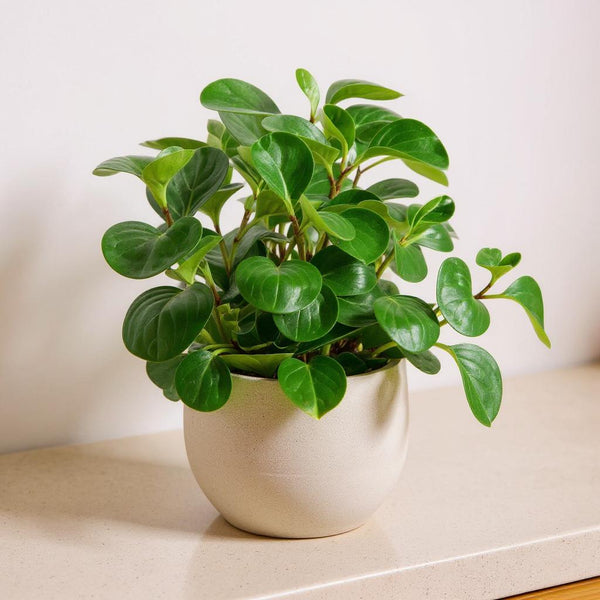
- Peperomia (Peperomia species)
Statement and Palm Varieties
- Areca Palm (Dypsis lutescens)
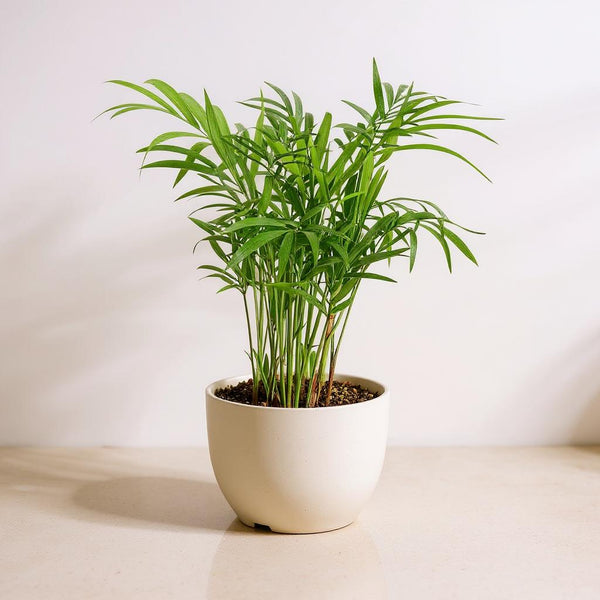
- Bamboo Palm (Chamaedorea elegans)
- Parlor Palm (Chamaedorea elegans)
- Majesty Palm (Ravenea rivularis)
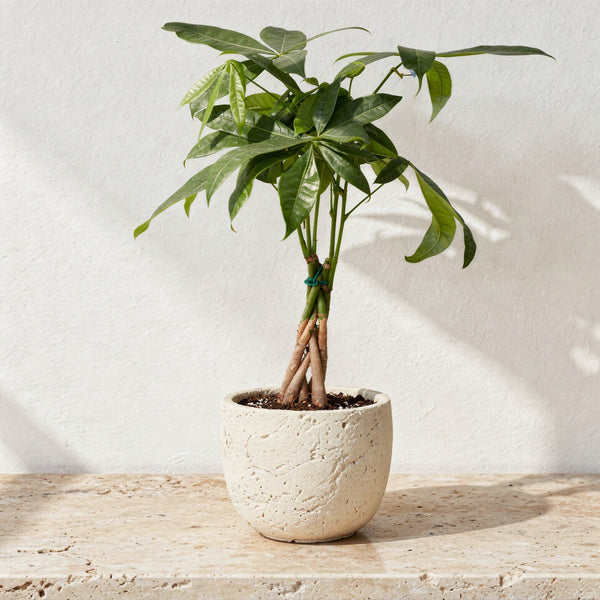
- Money Tree (Pachira aquatica)
Air-Purifying Varieties
- Boston Fern (Nephrolepis exaltata)
- Areca Palm (Dypsis lutescens)
- Spider Plant (Chlorophytum comosum)
- Ponytail Palm (Beaucarnea recurvata)
- Bamboo Palm (Chamaedorea elegans)
Verified Non-Toxic Succulents
- Haworthia (Haworthia species)
- Echeveria (Echeveria elegans)
- Burro's Tail (Sedum morganianum)
- Christmas Cactus (Schlumbergera bridgesii)
- Hens and Chickens (Echeveria elegans)
Flowering Varieties
- African Violet (Saintpaulia species)
- Gerbera Daisy (Gerbera jamesonii)
- Gloxinia (Sinningia speciosa)
- Impatiens (Impatiens species)
- Snapdragon (Antirrhinum majus)
Pet-Safe Herbs
- Basil (Ocimum basilicum)
- Cilantro (Coriandrum sativum)
- Dill (Anethum graveolens)
- Rosemary (Rosmarinus officinalis)
- Thyme (Thymus vulgaris)
Pet Poison Emergency Contacts
While every plant in our collection is ASPCA-verified non-toxic, every responsible pet owner should have these contacts readily accessible. Save them to your phone today.
ASPCA Animal Poison Control Center
Available 24 hours a day, 7 days a week. Staffed by veterinary toxicologists. A consultation fee may apply.
Pet Poison Helpline
24-hour animal poison control service. A consultation fee may apply.
Shop with Complete Confidence
Every plant in our 150+ variety collection has been cross-referenced with the ASPCA Animal Poison Control Center database and verified non-toxic to cats and dogs. Browse freely, knowing the research has already been done.
Shop Pet-Safe Plants