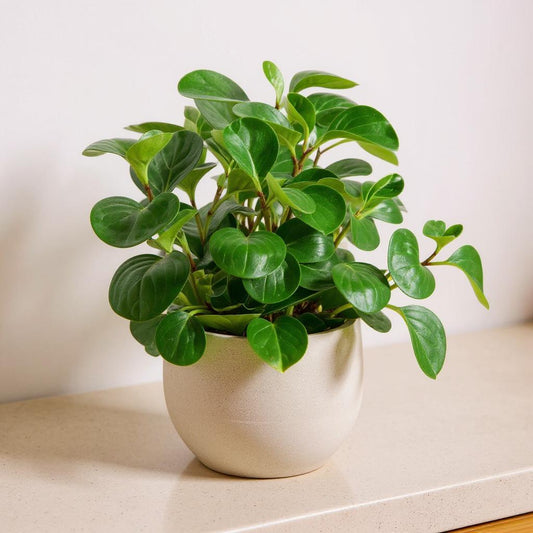
Collection: Pet-Safe Peperomia Plants

Pet-Safe Peperomia Plants

ASPCA-Verified Non-Toxic Houseplants Perfect for Cats and Dogs

Discover beautiful, beginner-friendly Peperomia varieties verified safe for cats and dogs. Every plant is ASPCA-certified non-toxic, requires minimal care, and stays beautifully compact for pet-friendly homes.

ASPCA Verified
Beginner-Friendly
Low Maintenance
Compact Size

Why Pet Parents Choose Peperomia Plants

1
100% Pet-Safe All Peperomia species are ASPCA-verified non-toxic to cats and dogs
2
Easy Care Tolerant of irregular watering and low light, perfect for busy pet parents
3
Compact Growth Stay small and manageable, ideal for apartments with pets
4
Unique Varieties Stunning foliage from watermelon stripes to rippled textures
5
Beginner-Friendly Forgiving of mistakes and adaptable to home environments
6
Air Purifying Naturally improve indoor air quality while keeping pets safe

The Complete Guide to Pet-Safe Peperomia Plants

Discover why Peperomia plants are the perfect choice for pet parents seeking beautiful, low-maintenance houseplants. Every variety is ASPCA-verified non-toxic to cats and dogs, combining safety with stunning visual appeal and beginner-friendly care requirements.

What Makes Peperomia Perfect for Pet Owners?

100% Pet-Safe Guarantee

Unlike many popular houseplants, every single Peperomia variety is ASPCA-verified non-toxic to cats and dogs. No need to worry about curious pets nibbling leaves or accidental ingestion causing poisoning emergencies.

Extremely Forgiving Care

Peperomias have thick, succulent-like leaves that store water, making them incredibly forgiving if you forget to water. Perfect for busy pet parents juggling care routines and unpredictable schedules.

Compact Growth Habit

Most Peperomias stay under 12 inches tall, making them perfect for shelves, desks, and windowsills. They will not overwhelm your pet-friendly space or become climbing hazards for curious cats.

Low Light Tolerant

Thrive in offices, bathrooms, bedrooms, and north-facing windows where many plants struggle. No need for perfect lighting conditions, expensive grow lights, or constant repositioning.

Complete Peperomia Care Guide for Pet Parents

Watering

Watering Requirements

Water when the top 1-2 inches of soil are dry, typically every 7-10 days. Peperomias store water in their leaves, so they prefer to dry out between waterings. Overwatering causes more problems than underwatering, leading to root rot and leaf drop.

Light

Light Requirements

Thrives in bright, indirect light but tolerates low to medium light conditions remarkably well. Avoid direct sunlight which can scorch leaves. Perfect for north-facing windows, offices, bathrooms, and bedrooms.

Temperature

Temperature and Humidity

Prefers temperatures between 65-75°F and average household humidity levels. No special humidity requirements needed, though they appreciate occasional misting in very dry climates or winter heating conditions.

Soil

Soil and Potting

Use well-draining potting mix to prevent water retention. A mixture of regular potting soil with perlite or orchid bark works perfectly. Ensure pots have drainage holes to prevent root rot problems.

Maintenance

Pruning and Maintenance

Minimal pruning needed for healthy growth. Remove dead or yellowing leaves as they appear. Peperomias naturally stay compact and do not require regular trimming, shaping, or intensive maintenance.

Pet Safety

Pet Safety Placement

While completely ASPCA-verified non-toxic, it is still best to place plants out of reach of persistent chewers to protect both plant and pet. Monitor new plants for the first few days to observe your pet's interest level.

Peperomia Variety Comparison Guide

Variety Name Mature Size Light Needs Watering Frequency Best For
Watermelon Peperomia 6-8 inches Low to Medium Every 7-10 days Beginners, visual impact, pet safety
Baby Rubber Plant 8-12 inches Low to Bright Every 10-14 days Busy pet parents, offices, low light
Ripple Peperomia 6-8 inches Bright Indirect Every 7-10 days Texture lovers, windowsills, collections
Raindrop Peperomia 10-12 inches Medium Light Every 10-14 days Statement plants, desks, pet-safe decor
String of Turtles Trailing vines Medium Light Every 7-10 days Hanging baskets, shelves, unique look
Belly Button Peperomia 6-10 inches Low to Medium Every 10-14 days Small spaces, collections, variety

Frequently Asked Questions About Pet-Safe Peperomia Plants

Yes, all Peperomia varieties are ASPCA-verified non-toxic to both cats and dogs. This includes popular varieties like Watermelon Peperomia, Baby Rubber Plant, Ripple Peperomia, Raindrop Peperomia, String of Turtles, Belly Button Peperomia, and all other Peperomia species. While completely safe if nibbled or ingested, they are not intended as pet food and excessive chewing should still be discouraged to protect both plant health and prevent mild digestive upset in sensitive pets.
The Baby Rubber Plant (Peperomia obtusifolia) is the easiest Peperomia for beginners with pets. It tolerates neglect, low light conditions, irregular watering, and various humidity levels better than most houseplants. Its thick, glossy leaves store water, making it virtually indestructible. The Watermelon Peperomia is also extremely beginner-friendly with minimal care requirements, striking visual appeal, and complete pet safety verification.
Water Peperomia plants when the top 1-2 inches of soil feel dry to the touch, typically every 7-10 days. However, watering frequency depends on your home's light levels, temperature, and humidity conditions. Peperomias have succulent-like leaves that store water, allowing them to tolerate drought better than most houseplants. They prefer to dry out between waterings. Overwatering is the most common cause of Peperomia problems, leading to root rot, yellowing leaves, and leaf drop. Always check soil moisture before watering rather than following a strict schedule.
No, Peperomia plants thrive in bright, indirect light but tolerate low to medium light conditions remarkably well, making them perfect for pet owners with various living spaces. They should not be placed in direct sunlight, which can scorch their leaves and cause permanent damage. This light tolerance makes them ideal for offices, bathrooms, bedrooms, north-facing windows, or any room that does not receive strong direct sun. They are among the best low-light houseplants for pet-safe homes.
Peperomia plants typically drop leaves due to overwatering, which causes root rot and prevents proper nutrient absorption. Check that your soil is well-draining and allow it to dry between waterings. Other common causes include temperature stress from sudden cold drafts or temperatures below 50°F, very low humidity below 30%, pest infestations like mealybugs or spider mites, or natural leaf aging. Yellow leaves before dropping usually indicate overwatering, while crispy brown leaves suggest underwatering or low humidity conditions.
Yes, Peperomia plants have natural air-purifying properties and help remove toxins like formaldehyde from indoor air. While not specifically featured in NASA's famous Clean Air Study, research demonstrates they contribute to improved indoor air quality through natural filtration and oxygen production. Combined with their ASPCA-verified pet-safe status, compact size, and easy care requirements, this makes Peperomia plants excellent all-around houseplants for pet-friendly homes seeking both aesthetic beauty and functional air quality benefits.
Most Peperomia varieties stay naturally compact, growing 6-12 inches tall and wide, making them perfect for small spaces and homes with active pets. Watermelon Peperomia typically reaches 6-8 inches, Baby Rubber Plant grows 8-12 inches, Ripple Peperomia stays around 6-8 inches, and Raindrop Peperomia reaches 10-12 inches. Trailing varieties like String of Turtles grow longer vines but remain delicate and small-leaved. This compact growth habit makes them ideal for shelves, desks, windowsills, and spaces where larger plants might be knocked over by curious cats or dogs.
Yes, Peperomia plants produce unique flower spikes called inflorescences that resemble small green or white rat tails growing vertically from the plant. These are not showy flowers like roses or orchids, but they indicate your Peperomia is happy, healthy, and receiving proper care. The flowers are completely harmless to cats and dogs and can be left on the plant for visual interest or removed if you prefer the foliage-only appearance. Flowering typically occurs during the growing season in spring and summer months.
Peperomia plants are easy to propagate through leaf cuttings or stem cuttings, making them perfect for expanding your pet-safe plant collection. Simply cut a healthy leaf with about an inch of stem attached, allow the cut end to callus for a few hours, then place it in moist, well-draining soil or clean water. Keep in bright, indirect light and maintain consistent moisture. Roots typically develop within 2-4 weeks. This simple propagation method allows you to create multiple plants from one parent or share pet-safe Peperomia plants with other pet-owning friends and family members.
Peperomia plants can occasionally attract mealybugs, spider mites, or fungus gnats, though they are generally pest-resistant compared to many houseplants. Mealybugs appear as white cottony clusters and can be removed with rubbing alcohol on a cotton swab. Spider mites cause stippling on leaves and prefer dry conditions. Fungus gnats indicate overwatering issues. All of these common pests are treatable with pet-safe solutions including neem oil, insecticidal soap, or physical removal. Always ensure any treatment products are specifically labeled as pet-safe before use in homes with cats and dogs.
Peperomia plants offer unique advantages for pet owners: they are ASPCA-verified non-toxic to cats and dogs, require minimal care with forgiving watering needs, tolerate low light conditions exceptionally well, stay compact for small spaces, are available in diverse attractive varieties, purify indoor air naturally, and are easy to propagate for expanding your collection. While other pet-safe plants like spider plants, Boston ferns, and bamboo palms are also excellent choices, Peperomias stand out for their combination of extreme low maintenance, decorative appeal, and absolute pet safety. They are ideal for busy pet parents, beginners, or anyone seeking beautiful houseplants without any toxicity concerns.

Helpful Resources for Pet-Safe Plant Care

Everything you need to create a thriving, pet-friendly indoor garden with complete peace of mind