
-
Bonnie Curly Spider Plant (Chlorophytum comosum)
Regular price From $34.95 USDRegular priceUnit price per -
Parlor Palm (Chamaedorea elegans)
Regular price From $35.95 USDRegular priceUnit price per -
 Sold out
Pink Quill Plant (Tillandsia cyanea)
Regular price $46.95 USDRegular priceUnit price per -
Lemon Lime Prayer Plant (Maranta leuconeura)
Regular price From $43.95 USDRegular priceUnit price per -
 Sold out
Bird's Nest Fern (Asplenium nidus)
Regular price From $40.95 USDRegular priceUnit price per -
Hawaiian Spider Plant (Chlorophytum comosum)
Regular price From $38.95 USDRegular priceUnit price per -
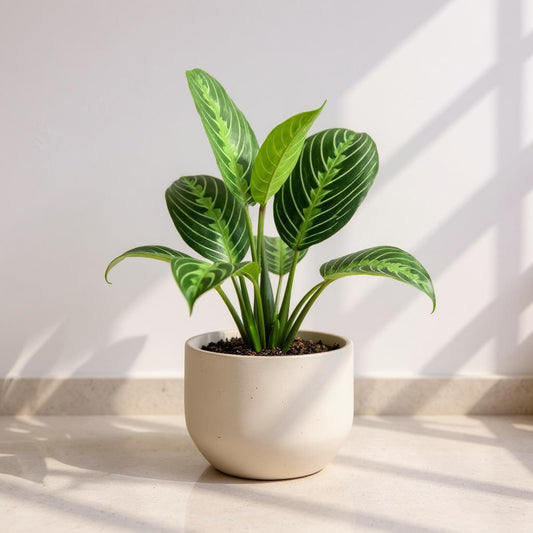
Prayer Plant (Maranta leuconeura)
Regular price From $36.95 USDRegular priceUnit price per -
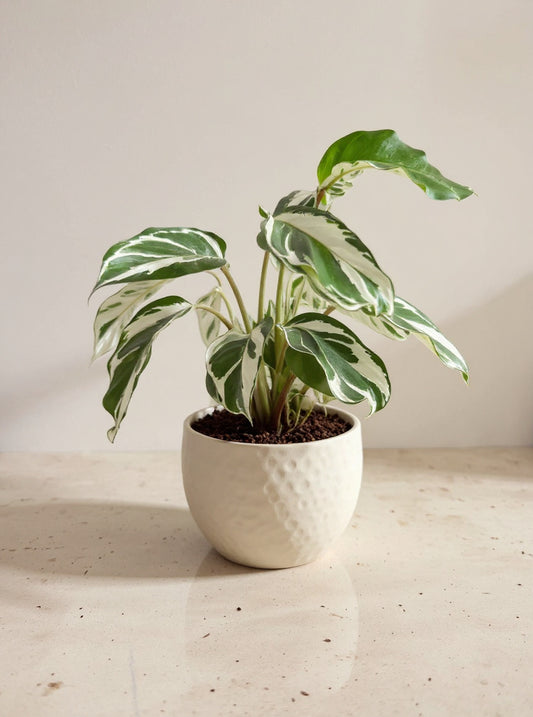
White Fusion Calathea (Calathea lietzei)
Regular price From $42.95 USDRegular priceUnit price per -
 Sold out
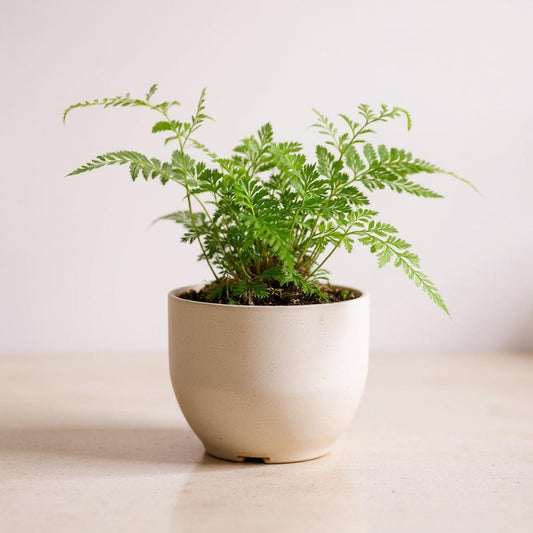
Maidenhair Fern (Adiantum raddianum)
Regular price From $41.95 USDRegular priceUnit price per -
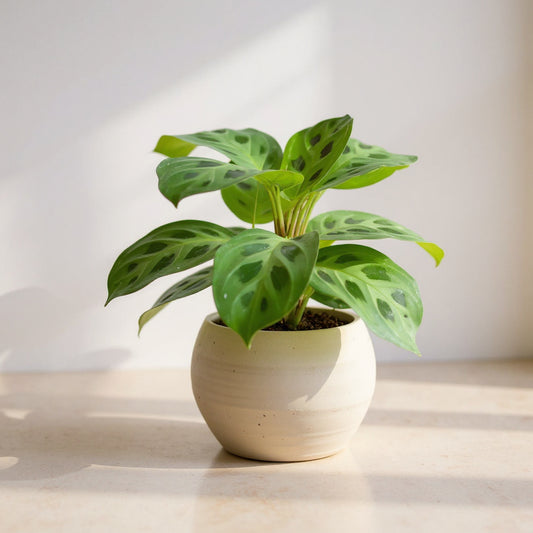
Red Prayer Plant (Maranta leuconeura)
Regular price From $35.95 USDRegular priceUnit price per -
Triostar Stromanthe (Stromanthe sanguinea)
Regular price From $46.95 USDRegular priceUnit price per -
Rabbit's Foot Fern (Davallia fejeensis)
Regular price From $40.95 USDRegular priceUnit price per -
Staghorn Fern (Platycerium bifurcatum)
Regular price From $42.25 USDRegular priceUnit price per -
Rattlesnake Plant (Calathea lancifolia)
Regular price From $39.95 USDRegular priceUnit price per -
Freddie Calathea (Calathea concinna)
Regular price From $44.95 USDRegular priceUnit price per -
Vittata Calathea (Calathea elliptica)
Regular price From $44.95 USDRegular priceUnit price per








What "air purifying" really means
In NASA's 1989 Clean Air Study, houseplants pulled chemicals like formaldehyde and benzene out of small sealed test chambers. Spider plant was one of the plants tested. The study's lead scientist, Dr. B.C. Wolverton, later rated areca palm and Boston fern among the best performers in his follow-up research.
A real home is very different from a sealed chamber. A 2019 review of the research found you'd need 10 to 1,000 plants per square meter to match what normal ventilation already does. So buy these because they're beautiful, easy and safe for your pets, and think of cleaner air as a small bonus.
Pet-safe picks from the air-quality research
| Plant | Light | Care | Good to know |
|---|---|---|---|
| Spider plant | Low to bright | Very easy | Tested in NASA's 1989 study. Hang it high if your cat chews. |
| Areca palm | Bright indirect | Moderate | Top-rated in Wolverton's follow-up research. Grows tall. |
| Boston fern (Emina) | Medium to bright | Moderate | Highly rated by Wolverton. Likes humidity. |
| Parlor palm | Low to medium | Easy | The low-light palm. Slow-growing. |
| Bird's nest fern | Low to medium | Easy | Handles normal household humidity. |
| Bonnie curly spider plant | Low to bright | Very easy | Compact, curly version of the classic. |
Want the full breakdown? Read our guide to the best air purifying plants safe for pets.
Air purifying plant questions
Do air purifying plants actually clean the air?
In sealed lab chambers, yes. NASA's 1989 Clean Air Study found houseplants removed chemicals like formaldehyde and benzene from small test chambers. In a real home, the effect is much smaller: a 2019 review of the research found you would need somewhere between 10 and 1,000 plants per square meter to match the air exchange of ordinary ventilation. Plants are a nice bonus, not a replacement for fresh air or an air purifier.
What air purifying plants are safe for cats and dogs?
Spider plant, areca palm, Boston fern, parlor palm and bird's nest fern are popular picks from air-quality research lists, and all are listed as non-toxic to cats and dogs by the ASPCA.
Are pothos and snake plants safe for pets?
No. Both were in NASA's 1989 study and appear on nearly every air purifying plant list, but the ASPCA lists pothos and snake plant as toxic to cats and dogs.
Are spider plants safe for cats?
Yes. The ASPCA lists spider plant as non-toxic to cats and dogs. Many cats love to chew the long leaves, so a hanging basket or high shelf keeps the plant looking good.
Do houseplants add humidity?
A little. Plants release water through their leaves, and a group of leafy plants like palms and ferns can make a small room feel less dry in winter. For a real change in humidity, a humidifier works far better.