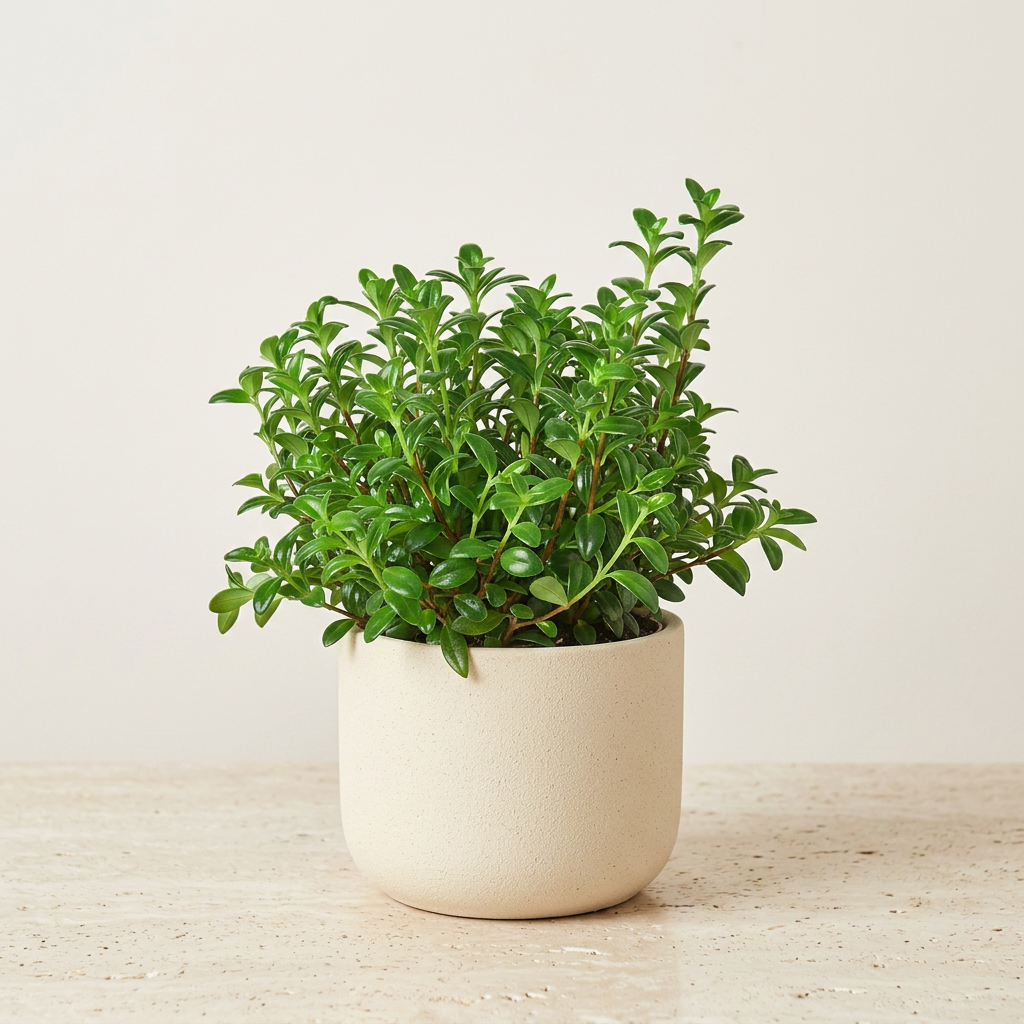


Nematanthus Candy Corn Plant Brazilian Firecracker - Pet Safe Non-Toxic Flowering Trailing Houseplant
Nematanthus Candy Corn Plant Brazilian Firecracker - Pet Safe Non-Toxic Flowering Trailing Houseplant
Couldn't load pickup availability
Botanical Name: Nematanthus
Common Names: Candy Corn Plant • Brazilian Firecracker • Goldfish Plant • Guppy Plant • Gubby Plant • Clog Plant
The Candy Corn Plant (Nematanthus) earns all three of its names honestly. The flowers are small pouched tubes in orange and yellow that really do look like candy corn, or like tiny goldfish, or like firecrackers waiting to go off, depending on who is describing them. They appear in clusters along trailing stems lined with thick, waxy little leaves that curl at the tips and flash reddish purple underneath.
In the Brazilian rainforest this grows as an epiphyte, perched in tree branches rather than rooted in ground, which explains what it wants indoors: bright indirect light, a chunky airy mix, and a pot it can fill snugly. The stems trail readily, making it a natural for hanging baskets and high shelves. The ASPCA lists Nematanthus species as non-toxic to dogs and cats, so this is that rare thing, a genuinely flowering houseplant that is safe to hang in a home with animals.
Complete Care Guide
- Bright, indirect light is the single biggest factor in how much it flowers
- An east or west-facing window, or a few feet from a south window, is ideal
- Gentle morning sun is fine, but harsh afternoon sun scorches the waxy leaves
- In dim light the plant survives but stretches and rarely blooms
- Water when the top inch of soil is dry, roughly every 7-10 days in the growing season
- Use room-temperature water, as cold water shocks the roots and causes leaf drop
- Water thoroughly until it drains, then empty the saucer completely
- Reduce to every 2-3 weeks in winter while the plant rests
- Moderate to high humidity: 50-60% suits it best, and a pebble tray helps in winter
- Temperature range: 65-80°F (18-27°C) through the growing season
- Keep above 50°F (10°C), and bring indoors before nights turn cold
- Protect from cold drafts and heating vents, both of which trigger leaf drop
- Use a light, airy mix with peat or coco coir plus perlite and a little bark, reflecting its epiphytic roots
- Always choose a pot with drainage holes, and keep it snug since crowded roots encourage flowering
- Feed every 2-4 weeks in spring and summer with a bloom-focused fertilizer at half strength
- Repot only every 2-3 years, moving up a single pot size
- Pinch the stem tips through spring and summer to force branching, since blooms form on newer growth
- Give a cooler, drier rest of about six weeks in winter to set the next round of flowers
- Cut back hard in early spring if stems have gone woody and bare
- Root the trimmings in water or damp soil, as cuttings take easily
Styling Ideas for Your Candy Corn Plant
Shipping & Potting Information

Frequently Asked Questions
Is this the same as a goldfish plant? ▼
Yes and no. Nematanthus is the true goldfish plant, named for the pouched shape of its flowers. The trouble is that the same common name gets applied to Columnea and Aeschynanthus, which are entirely different genera with different care needs. When shopping anywhere, look for the botanical name Nematanthus rather than relying on the common name.
How do I get it to bloom more? ▼
Bright indirect light does most of the work, paired with slightly crowded roots and a cool, drier rest of about six weeks in winter. Pinching the stem tips through spring and summer helps too, since flowers form on newer growth. A plant that never blooms is almost always in a spot that is too dim.
Why are the leaves dropping suddenly? ▼
Sudden leaf drop usually follows one of three things: cold water, a cold draft, or soil swinging between soggy and bone dry. Use room-temperature water, keep the plant clear of drafty doors and heating vents, and aim for soil that stays lightly moist rather than alternating between extremes.
Why is my plant getting bare at the top with long trailing stems? ▼
That is normal aging rather than a care failure. Stems go woody and shed their lower leaves over time. Pinch the tips regularly to force branching, cut the plant back hard in early spring when it looks tired, and root the trimmings, which take easily in water or damp soil.
Is this plant safe for pets? ▼
Yes. The ASPCA lists Nematanthus species as non-toxic to dogs and cats, filed under the older synonym Hypocyrta nummularia with the common name Candy Corn Plant, which is why searching the newer name alone can come up empty. NC State Extension records it as non-toxic to dogs, cats, and horses as well.