Peperomia Plants: The Ultimate Guide to Pet-Safe, Low-Maintenance Houseplants

Peperomia Plants: The Ultimate Guide to Pet-Safe, Low-Maintenance Houseplants

Quick Answer for Pet Owners:

All 1,500+ Peperomia species are ASPCA-verified non-toxic to cats and dogs, making them the ultimate pet-safe houseplants. These low-maintenance beauties tolerate irregular watering, stay compact (8-12 inches), resist pests, and offer incredible variety from metallic-leaved Metallica to turtle-patterned String of Turtles. Perfect for beginners and busy pet parents seeking safe, stunning greenery.

For plant lovers seeking effortless greenery that coexists safely with furry companions, ASPCA-verified Peperomia plants offer an unbeatable combination of beauty, versatility, and resilience. With over 1,500 species ranging from compact desk plants to cascading trailing varieties, these charming houseplants have earned their reputation as the perfect choice for beginners and busy pet parents alike. At Root & Reach Botanicals, every Peperomia is ASPCA-verified pet-safe, ensuring your cats and dogs can explore without danger while you enjoy lush, vibrant foliage throughout your home.

Why Are Peperomia Plants Perfect for Pet Owners with Cats and Dogs?

Pet safety ranks as the top priority when selecting houseplants, and ASPCA-verified Peperomia species deliver peace of mind without compromise. Unlike popular but toxic plants such as pothos or philodendrons which contain calcium oxalate crystals, every Peperomia variety is ASPCA-verified non-toxic to cats and dogs. This means accidental nibbling won't lead to emergency vet visits costing thousands of dollars or digestive distress in your beloved pets.

Beyond ASPCA-verified safety, Peperomia plants bring distinct advantages to pet-inclusive households with cats and dogs. Their thick, succulent-like leaves store water efficiently, tolerating irregular watering schedules that fit busy lifestyles of pet parents. Most varieties stay compact, rarely exceeding 12 inches in height, making them ideal for elevated shelves, windowsills, and tabletops where curious paws of cats and dogs can't reach.

Their slow growth rate means minimal pruning and maintenance, while their natural resistance to common pests eliminates the need for chemical treatments that could harm cats and dogs. Root & Reach Botanicals specializes in curating the finest ASPCA-verified pet-safe plant selections, with Peperomia leading as a customer favorite for good reason. These plants combine forgiving care requirements with striking visual appeal, from the metallic shimmer of Peperomia Metallica to the whimsical turtle-shell patterns of String of Turtles—all ASPCA-verified safe for cats and dogs.

Peperomia Variety ASPCA Status Care Difficulty Light Needs Special Features
Baby Rubber Plant ✅ Non-Toxic to Cats & Dogs Super Easy Medium-Bright Most forgiving, variegated
Peperomia Hope ✅ Non-Toxic to Cats & Dogs Super Easy Medium Trailing, compact leaves
Raindrop Plant ✅ Non-Toxic to Cats & Dogs Super Easy Bright Indirect Large coin-shaped leaves
Watermelon Peperomia ✅ Non-Toxic to Cats & Dogs Easy-Moderate Bright Indirect Striped pattern, stunning
String of Turtles ✅ Non-Toxic to Cats & Dogs Moderate Bright Filtered Trailing, turtle pattern
Ginny Tricolor ✅ Non-Toxic to Cats & Dogs Super Easy Bright Indirect Pink, cream, green leaves

What Should I Know About Peperomia Origins and Characteristics?

Native to Central and South American rainforests, ASPCA-verified Peperomia plants thrive naturally in the dappled shade beneath towering canopy trees. This tropical heritage explains their preference for bright, filtered light and moderate humidity levels found in most homes with cats and dogs. The genus Peperomia, part of the pepper family Piperaceae, encompasses incredible diversity in leaf shape, color, and growth habit—all species ASPCA-verified safe for pets.

What unites all ASPCA-verified Peperomia varieties is their semi-succulent nature. Thick, fleshy leaves and stems store moisture, allowing plants to withstand periods of drought far better than most tropical houseplants. This adaptation makes them exceptionally forgiving for forgetful waterers or pet parents with unpredictable schedules caring for cats and dogs.

Peperomia plants typically grow slowly, reaching mature size within 1-2 years and maintaining compact proportions perfect for homes with pets. Their root systems remain relatively small and shallow, meaning they rarely require repotting and thrive in smaller containers that cats can't easily knock over. During late summer, many varieties produce unique flower spikes resembling tiny rat tails, adding unexpected charm though the foliage remains the main attraction and stays ASPCA-verified safe for cats and dogs.

What Are the Best ASPCA-Verified Peperomia Varieties Ranked by Ease of Care?

Tier 1: Super Easy and Most Forgiving for Pet Owners

For absolute beginners or anyone seeking truly low-maintenance ASPCA-verified plants safe for cats and dogs, these Peperomia varieties lead the pack. Their thicker, more succulent leaves tolerate extended periods between watering and bounce back quickly from minor care mistakes.

Peperomia Obtusifolia Marble (Baby Rubber Plant)

ASPCA-Verified Pet-Safe Peperomia Obtusifolia Marble Baby Rubber Plant

The ASPCA-verified Baby Rubber Plant earns its nickname from glossy, rubbery leaves splashed with creamy variegation. This variety tolerates medium to bright indirect light and can go 10-14 days between waterings once established, perfect for busy pet parents with cats and dogs. Its upright growth habit and compact size make it perfect for desks, shelves, or small spaces. Incredibly pest-resistant and nearly impossible to kill, this is the ultimate starter Peperomia that's completely safe for cats and dogs.

Peperomia Obtusifolia Thailand (Baby Rubber Plant)

ASPCA-Verified Pet-Safe Peperomia Obtusifolia Thailand

Nearly identical in care to its marble cousin, this ASPCA-verified Thailand variety features stunning cream and green variegation with occasional pink edges. It shares the same drought tolerance and forgiving nature, thriving with minimal attention perfect for homes with cats and dogs. The thicker leaves mean less frequent watering and greater resilience to environmental fluctuations.

Peperomia Clusiifolia Ginny (Tricolor)

ASPCA-Verified Pet-Safe Peperomia Clusiifolia Ginny Tricolor

Adding a splash of color while remaining ASPCA-verified safe for cats and dogs, Ginny displays pink, cream, and green leaves with a compact upright form. This hardy variety handles bright indirect light beautifully and tolerates drying out between waterings. Its slow growth and minimal care requirements make it ideal for offices, bedrooms, or anywhere pet owners want effortless color.

Peperomia Hope (Trailing)

ASPCA-Verified Pet-Safe Peperomia Hope Trailing

For those seeking a cascading ASPCA-verified option safe for cats and dogs without added difficulty, Peperomia Hope delivers. Its trailing stems feature small, round leaves that create a soft waterfall effect from hanging baskets or shelf edges beyond pets' reach. Despite its delicate appearance, Hope tolerates irregular watering and medium light, making it one of the easiest trailing houseplants available that's completely safe for cats and dogs.

Peperomia Polybotrya (Raindrop Plant)

ASPCA-Verified Pet-Safe Peperomia Polybotrya Raindrop

Named for its large, teardrop-shaped leaves, this ASPCA-verified Raindrop Plant makes a bold statement with minimal effort while remaining safe for cats and dogs. Its thick, glossy foliage stores water efficiently, requiring infrequent watering even during active growth. This variety appreciates bright indirect light but adapts to medium conditions, maintaining its compact, upright form with virtually no maintenance.

Peperomia Ferreyrae (Green Bean Plant)

ASPCA-Verified Pet-Safe Peperomia Ferreyrae Green Bean

With unusual cylindrical leaves resembling tiny green beans, this ASPCA-verified Ferreyrae adds architectural interest to any space with cats and dogs. Its succulent nature means it thrives on neglect, tolerating drought and irregular watering beautifully. This conversation-starting variety grows slowly and stays compact, perfect for modern minimalist spaces or collectors seeking something unique that's safe for pets.

Tier 2: Easy with Light Routine for Pet Households

These ASPCA-verified Peperomia varieties safe for cats and dogs remain beginner-friendly but appreciate slightly more consistent care. They prefer regular watering schedules and stable conditions, though they're still remarkably forgiving compared to most houseplants.

Peperomia Caperata Varieties (All ASPCA-Verified Safe)

The rippled-leaf Caperata family offers stunning texture and variety while maintaining relatively easy care requirements and complete ASPCA-verified safety for cats and dogs.

Peperomia Caperata Ripple Red
ASPCA-Verified Pet-Safe Peperomia Caperata Ripple Red

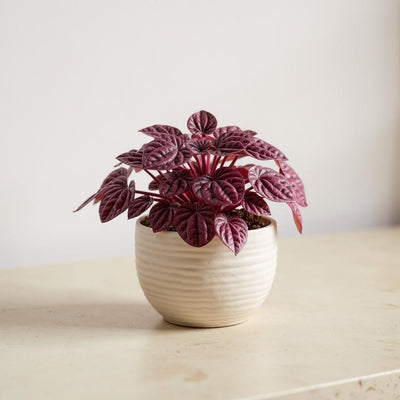
Deep burgundy leaves with pronounced rippling create dramatic texture in compact form that's ASPCA-verified safe for cats and dogs. This variety prefers medium to bright indirect light and appreciates more consistent moisture than its Tier 1 cousins. Allow the top inch of soil to dry between waterings, and it will reward you with dense, colorful growth.

Peperomia Caperata Frost
ASPCA-Verified Pet-Safe Peperomia Caperata Frost

Silvery-white leaves appear dusted with frost, creating striking contrast against darker foliage while remaining ASPCA-verified safe for cats and dogs. Like other Caperata varieties, Frost appreciates slightly more regular watering but remains easy to maintain. Its compact rosette form stays neat without pruning, making it perfect for desks and small spaces in pet households.

Peperomia Caperata Rosso
ASPCA-Verified Pet-Safe Peperomia Caperata Rosso

Featuring deep green tops with vibrant burgundy undersides, this ASPCA-verified Rosso creates beautiful two-toned displays safe for cats and dogs. The rippled texture catches light beautifully, adding dimension to any plant collection. This variety thrives with consistent care but won't immediately suffer from occasional missed waterings.

Peperomia Caperata Ripple Radiator Plant
ASPCA-Verified Pet-Safe Peperomia Caperata Ripple Radiator

The classic green Caperata displays deeply textured leaves in a tight rosette that's ASPCA-verified safe for cats and dogs. Its nickname "Radiator Plant" comes from its tolerance for the warm, dry conditions near heating elements, though it prefers moderate humidity. Water when the top 1-2 inches of soil dry, and provide bright filtered light for best results.

Peperomia Metallica

ASPCA-Verified Pet-Safe Peperomia Metallica

Shimmering metallic leaves in bronze and copper tones make this ASPCA-verified Metallica a standout choice safe for cats and dogs. This variety appreciates bright indirect light to maintain its distinctive coloring and prefers soil that dries slightly between waterings. While more particular than Tier 1 options, it remains manageable for attentive beginners with pets.

Peperomia Albovittata Rana Verde (Green Frog)

ASPCA-Verified Pet-Safe Peperomia Albovittata Rana Verde

Sporting unique vertical striping reminiscent of frog skin, this ASPCA-verified Rana Verde adds whimsical charm to plant collections with cats and dogs. Its upright growth and compact size suit small spaces, while its care requirements remain straightforward with regular watering and medium to bright light.

Peperomia Piccolo Banda

ASPCA-Verified Pet-Safe Peperomia Piccolo Banda

Also known as Peacock Peperomia, this ASPCA-verified Piccolo Banda features striking silver and green banding on compact leaves safe for cats and dogs. This variety appreciates consistent moisture without becoming waterlogged and thrives in bright, filtered light. Its slow growth and small size make it ideal for terrariums or desktop displays in pet households.

Tier 3: Easy but Slightly More Sensitive for Pet Owners

While still beginner-friendly and ASPCA-verified safe for cats and dogs, these varieties provide clearer signals when conditions aren't ideal. They'll droop when too dry or show stress from overwatering more quickly than their hardier cousins.

Peperomia Argyreia (Watermelon Peperomia)

ASPCA-Verified Pet-Safe Peperomia Argyreia Watermelon

Perhaps the most recognizable ASPCA-verified Peperomia safe for cats and dogs, Watermelon displays stunning silver and green stripes resembling its namesake fruit. This variety noticeably droops when thirsty, providing clear watering cues for pet parents. It prefers bright indirect light to maintain vibrant patterns and dislikes both underwatering and overwatering, requiring a more balanced approach.

Peperomia Argyreia Variegated (Variegated Watermelon)

ASPCA-Verified Pet-Safe Peperomia Argyreia Variegated Watermelon

Adding cream and white variegation to the classic watermelon pattern, this ASPCA-verified variety offers extra visual interest with similar care requirements while remaining safe for cats and dogs. The variegated portions contain less chlorophyll, making consistent bright light essential for maintaining coloration and plant health. Slightly more particular about moisture levels than standard Watermelon Peperomia.

Tier 4: Trailing Varieties Needing Bright Light (All ASPCA-Verified Safe)

These delicate-looking trailing ASPCA-verified Peperomia safe for cats and dogs require brighter conditions and well-draining soil but remain manageable with proper placement.

Peperomia Prostrata (String of Turtles)

ASPCA-Verified Pet-Safe String of Turtles Peperomia Prostrata

Featuring tiny leaves patterned like miniature turtle shells, this trailing ASPCA-verified variety captivates plant enthusiasts while remaining safe for cats and dogs. Despite its delicate appearance, String of Turtles isn't difficult when given bright, filtered light and allowed to dry slightly between waterings. Its smaller leaves dry faster than larger Peperomia varieties, requiring more attention to watering frequency. Avoid soggy soil and provide excellent drainage for best results in pet households.

Peperomia Quito

ASPCA-Verified Pet-Safe Peperomia Quito

A lesser-known trailing ASPCA-verified variety safe for cats and dogs, Quito produces cascading stems with small, fleshy leaves. It appreciates bright indirect light to maintain compact growth and prefers soil that dries slightly between waterings. Like String of Turtles, it's intolerant of constantly wet conditions but remains relatively easy with proper light placement in pet households.

Complete Care Guide for All ASPCA-Verified Peperomia Plants

Light Requirements: Finding the Sweet Spot for Your Peperomia

Most ASPCA-verified Peperomia varieties thrive in bright, indirect light, the kind filtered through sheer curtains or found a few feet from east or west-facing windows. This mimics their natural habitat beneath rainforest canopies and keeps them healthy in homes with cats and dogs. Too much direct sunlight causes leaf scorch, appearing as brown, crispy patches or faded coloration. Conversely, insufficient light leads to leggy growth, loss of variegation, and increased susceptibility to overwatering issues.

Medium filtered light works for hardier varieties like Baby Rubber Plant and Hope, though growth slows considerably. Very dark rooms should be avoided entirely, as Peperomia won't survive long-term without adequate light. If natural light is limited, full-spectrum grow lights positioned 12-18 inches above plants provide excellent supplementation for your ASPCA-verified pet-safe plants.

Variegated and colorful varieties like Ginny, Metallica, and Watermelon require brighter conditions to maintain their distinctive coloring. Trailing types like String of Turtles absolutely need bright light to prevent stretching and maintain dense growth.

Watering: The Most Critical Factor for Peperomia Success

Overwatering kills more Peperomia plants than any other factor. Their semi-succulent nature means they store water in thick leaves and stems, requiring far less frequent watering than most houseplants. The golden rule for these ASPCA-verified plants: check soil moisture before watering every single time.

Insert your finger 1-2 inches into the soil. If it feels damp or cool, wait. Only water when the top layer feels completely dry. For thicker-leaved varieties in Tier 1, you can safely wait until soil dries slightly deeper, sometimes 2-3 inches down. Thinner-leaved varieties and Caperata types prefer moisture maintained in the lower soil layers while the top dries out.

During active growth in spring and summer, most Peperomia need watering every 7-14 days, though this varies significantly with light, temperature, humidity, and pot size. In fall and winter, reduce frequency to every 2-3 weeks or longer. Smaller pots dry faster, requiring more frequent checks.

When watering, thoroughly saturate the soil until water drains from bottom holes, then empty any standing water from saucers after 15 minutes. Never allow pots to sit in water, as this causes root rot. Bottom watering works excellently for Peperomia, allowing roots to draw up moisture as needed while keeping leaves dry.

Signs of underwatering: Drooping leaves, leaf drop, wrinkled, deflated-looking foliage. Fortunately, most Peperomia bounce back quickly after watering.

Signs of overwatering: Yellowing leaves, mushy stems, black spots, generally unhealthy appearance despite adequate light. If you suspect overwatering, allow soil to dry completely and consider repotting in fresh, well-draining mix.

Soil and Drainage: The Foundation of Success

ASPCA-verified Peperomia absolutely require well-draining soil that allows excess moisture to escape quickly. Standard potting soil often retains too much water, creating conditions ripe for root rot. Instead, create a custom blend by mixing:

  • 2 parts quality potting soil
  • 1 part perlite or pumice
  • 1 part orchid bark or coco coir

This combination provides nutrients while ensuring rapid drainage and excellent aeration. Succulent and cactus mixes also work well, especially for thicker-leaved varieties. Whatever medium you choose, water should never pool on the surface or take more than a few seconds to begin draining.

Equally important are drainage holes in all pots. Decorative cachepots without holes can house nursery pots with drainage, allowing you to remove plants for watering and prevent standing water. Terracotta pots offer the added benefit of wicking moisture from soil, particularly helpful for those prone to overwatering.

Temperature and Humidity: Comfortable Conditions

ASPCA-verified Peperomia prefer temperatures between 65-75°F (18-24°C), tolerating ranges from 55-85°F (13-29°C) without issue. Avoid placing plants near heating vents, air conditioning units, or drafty windows where temperature fluctuations stress plants. Cold damage appears as blackened, mushy leaves, while excessive heat causes wilting and stress.

Despite tropical origins, most Peperomia adapt well to average household humidity (40-50%). Higher humidity (50-60%) benefits varieties like Caperata and prevents leaf edge browning, but it's not essential. Avoid misting, which creates conditions for fungal diseases without meaningfully increasing humidity. Instead, use pebble trays filled with water beneath pots, group plants together to create micro-climates, or run a humidifier during dry winter months.

Fertilizing: Less Is More for Peperomia

ASPCA-verified Peperomia grow slowly and require minimal fertilization. During active growth from spring through early fall, apply diluted balanced houseplant fertilizer (10-10-10 or 20-20-20) at quarter strength every 4-6 weeks. Over-fertilization causes salt buildup in soil, leading to brown leaf tips and root damage.

In fall and winter, cease fertilizing entirely as growth slows or stops. Some growers successfully use worm castings or diluted compost tea for organic nutrition. Whatever approach you choose, remember that Peperomia thrive on neglect better than excessive care.

Pruning and Propagation: Simple Maintenance

ASPCA-verified Peperomia require minimal pruning. Remove yellowed or damaged leaves at their base using clean scissors or pruners. Leggy growth can be trimmed to encourage bushier form, though proper lighting prevents this issue in the first place.

Propagation offers easy ways to expand your collection or share ASPCA-verified plants safe for cats and dogs with friends. Stem cuttings root readily in water or moist soil:

  1. Cut 3-4 inch stem sections just below a leaf node
  2. Remove lower leaves, leaving 2-3 at the tip
  3. Place in water or moist propagation mix
  4. Maintain bright, indirect light and warmth
  5. Roots develop in 2-4 weeks
  6. Plant rooted cuttings in appropriate soil mix

Leaf cuttings also work for many varieties. Select a healthy leaf with petiole (stem) attached, insert the petiole into moist soil, and wait for new plantlets to emerge at the base.

Common Issues and Solutions

Yellowing leaves: Usually indicates overwatering. Allow soil to dry thoroughly and reduce watering frequency. Check for root rot by gently removing plant from pot and inspecting roots. Healthy roots appear white or tan; rotted roots are brown, black, and mushy.

Leaf drop: Can result from underwatering, temperature stress, or sudden environmental changes. Assess conditions and adjust care accordingly.

Brown, crispy edges: Typically caused by low humidity, inconsistent watering, or fertilizer burn. Increase humidity, establish regular watering schedule, and flush soil to remove excess salts.

Leggy, stretched growth: Insufficient light. Move to brighter location or supplement with grow lights.

Pest problems: While relatively pest-resistant, Peperomia occasionally attract mealybugs, spider mites, or fungus gnats. Inspect plants regularly, especially new additions. Treat mealybugs and mites with insecticidal soap or neem oil. Fungus gnats indicate overly moist soil; reduce watering and allow top layers to dry completely between waterings.

Pet Safety: Why Peperomia Is the Perfect Choice for Homes with Cats and Dogs

Every Peperomia variety sold at Root & Reach Botanicals carries ASPCA verification as non-toxic to cats and dogs. This means even if curious pets nibble leaves, they won't experience the serious reactions caused by popular but toxic plants like pothos (calcium oxalate crystals), philodendron (oral irritation), or ZZ plants (gastrointestinal upset).

While ASPCA-verified non-toxic, Peperomia leaves aren't intended as pet food. Excessive chewing may cause mild digestive upset simply from consuming plant matter. Most cats and dogs lose interest after investigating, as Peperomia lacks the enticing qualities of cat grass or wheatgrass. To discourage chewing:

  • Elevate plants on shelves, plant stands, or hanging baskets beyond pets' reach
  • Provide appropriate cat grass or pet-safe chew toys as alternatives
  • Use deterrent sprays designed for plants (ensure they're pet-safe)
  • Redirect attention when you notice chewing behavior

The compact size of most Peperomia makes them easy to place out of cats' and dogs' reach while maintaining visibility and aesthetic appeal. Trailing varieties look stunning in hanging planters where pets cannot access them.

For homes with particularly determined chewers, focus on harder-leaved varieties like Baby Rubber Plant or Raindrop, which cats and dogs find less appealing than soft, delicate foliage. The bitter taste of some Peperomia varieties further discourages sampling.

How Do I Choose the Right ASPCA-Verified Peperomia for My Space?

For Absolute Beginners with Pets

Start with Tier 1 varieties like Baby Rubber Plant, Ginny, or Raindrop. These ASPCA-verified varieties tolerate the most mistakes while you learn proper care routines.

For Small Spaces with Cats and Dogs

Compact varieties like Caperata Frost, Piccolo Banda, and Metallica stay small, perfect for desks, shelves, and windowsills.

For Visual Impact in Pet Households

Choose varieties with distinctive patterns and colors like Watermelon Peperomia, Ripple Red, or String of Turtles.

For Hanging Displays Beyond Pets' Reach

Trailing varieties like Peperomia Hope, String of Turtles, and Quito create beautiful cascading displays.

Building Your ASPCA-Verified Pet-Safe Plant Collection

ASPCA-verified Peperomia plants offer unmatched versatility for creating lush, safe indoor gardens for homes with cats and dogs. Their incredible variety means you can combine multiple types for textural interest, color variation, and different growth habits while maintaining consistent care requirements and complete pet safety. Start with a few easy varieties from Tier 1, build confidence in your care routine, then expand to more unique specimens—all ASPCA-verified safe.

At Root & Reach Botanicals, every Peperomia plant undergoes rigorous ASPCA verification to ensure 100% pet safety and optimal health before shipping. Whether you're furnishing your first apartment, expanding an existing collection, or seeking safe plants for a home with curious cats and dogs, Peperomia delivers unbeatable combination of beauty, resilience, and peace of mind.

Transform your living space into a vibrant sanctuary where pets and plants coexist harmoniously. Explore the complete ASPCA-verified pet-safe plant collection at Root & Reach Botanicals today and discover why Peperomia remains the ultimate choice for low-maintenance, pet-friendly indoor gardening.

Ready to Start Your ASPCA-Verified Peperomia Collection?

Explore Root & Reach Botanicals' complete selection of ASPCA-verified Peperomia plants safe for cats and dogs. Every variety is guaranteed non-toxic with expert care support included.

Shop ASPCA-Verified Peperomia Plants
Back to blog