
Quick Answer for Dog Owners:
Yes, all Peperomia species are completely ASPCA-verified safe for dogs. Every variety from Baby Rubber Plant to String of Turtles contains zero toxic compounds. The entire 1,500+ species Peperomia genus is non-toxic to dogs, making it one of the most reliable plant families for dog-friendly homes.
Yes, all Peperomia species are completely safe for dogs according to the ASPCA's comprehensive toxicity database. Every variety of Peperomia, from the compact Baby Rubber Plant to the trailing String of Turtles, contains zero toxic compounds that could harm canine companions. This makes Peperomia one of the most reliable plant families for dog owners seeking beautiful, low-maintenance houseplants without safety concerns.
Why Are All Peperomia Plants ASPCA-Verified Safe for Dogs?
The ASPCA maintains the most authoritative database on plant toxicity through decades of research, documented poisoning cases, and ongoing toxicological studies. Their comprehensive testing evaluates plants for compounds known to cause adverse reactions in dogs, including saponins, glycosides, alkaloids, and calcium oxalate crystals that trigger poisoning in canines.
Peperomia plants have undergone rigorous ASPCA evaluation and consistently test negative for all known canine toxins. Unlike popular but dangerous houseplants such as pothos, philodendrons, or sago palms that can cause serious illness or death in dogs, Peperomia species are biochemically safe for canines.
The entire Peperomia genus belongs to the Piperaceae (pepper) family, which evolved different chemical defense mechanisms than plants toxic to dogs. Their thick, semi-succulent leaves store water rather than toxins, making them ideal for homes with curious canines who might investigate or sample houseplants.
Root & Reach Botanicals specializes exclusively in ASPCA-verified pet-safe plants, with Peperomia varieties representing one of their most popular collections. Every specimen undergoes multi-step verification against the ASPCA database before being approved for sale, ensuring absolute confidence in safety claims.
What Happens If My Dog Eats Peperomia Leaves?
While Peperomia plants are ASPCA-verified non-toxic to dogs, understanding potential outcomes from leaf consumption helps dog owners respond appropriately to plant investigations.
Expected Outcomes from Dogs Chewing Peperomia
Most dogs who sample Peperomia leaves experience no adverse effects whatsoever. The plants lack appealing taste or texture that would encourage continued consumption, meaning most canines lose interest after brief investigations. Dogs' omnivorous digestive systems handle small amounts of plant material better than cats, though they're still not designed to process significant vegetation.
If your dog does consume Peperomia leaves, you might observe:
No reaction (most common): The vast majority of dogs who nibble Peperomia show zero symptoms. The ASPCA-verified plant material passes through their digestive system without causing distress or poisoning.
Mild digestive upset (occasional): Some dogs may experience minor stomach discomfort from consuming plant fiber, not from toxicity. This might manifest as temporary decreased appetite, mild gas, or slight lethargy, resolving within hours without veterinary intervention.
Vomiting or diarrhea (rare): Dogs occasionally vomit or develop loose stools after eating plant material, not due to Peperomia toxicity but simply because excessive plant fiber irritates digestive systems. This represents normal physiological response rather than poisoning and typically resolves quickly.
When to Contact Your Veterinarian
While Peperomia toxicity isn't a concern due to ASPCA verification, contact your veterinarian if your dog displays:
- Persistent vomiting (more than twice within a few hours)
- Diarrhea lasting beyond 24 hours or containing blood
- Lethargy or weakness continuing past initial observation
- Loss of appetite extending beyond 24 hours
- Any breathing difficulties, excessive drooling, or unusual behaviors
These symptoms likely indicate unrelated health issues rather than Peperomia consumption, but veterinary evaluation ensures appropriate care.
Why Do Dogs Investigate Houseplants?
Understanding canine motivation for plant interaction helps address underlying causes:
Curiosity and exploration: Puppies especially investigate new objects in their environment through taste and texture. This behavior typically decreases as dogs mature, though some breeds maintain higher investigative drives throughout life.
Boredom: Under-exercised or under-stimulated dogs seek entertainment through destructive behaviors including plant chewing. Increased daily exercise, puzzle toys, and environmental enrichment reduce plant-directed activities.
Dietary instincts: Dogs occasionally seek plant material to address digestive discomfort or obtain fiber missing from their diets. This instinct stems from wild canids consuming vegetation for digestive health.
Attention-seeking: Some dogs learn that plant interaction generates owner response. Even negative attention reinforces the behavior, creating cycles requiring behavioral modification.
Texture preference: Certain dogs simply enjoy the texture of specific plants. While Peperomia ASPCA-verified safety means toxicity isn't a concern, providing dog-safe alternatives redirects this preference.
Which Peperomia Varieties Are ASPCA-Verified Safe for Dogs? (Complete List)
The Peperomia genus encompasses over 1,500 species, all verified non-toxic to dogs by the ASPCA. Root & Reach Botanicals offers a carefully curated selection of the most beautiful and easy-care varieties:
Popular ASPCA-Verified Peperomia Varieties for Dog Households
Peperomia Obtusifolia (Baby Rubber Plant) - Dog-Safe
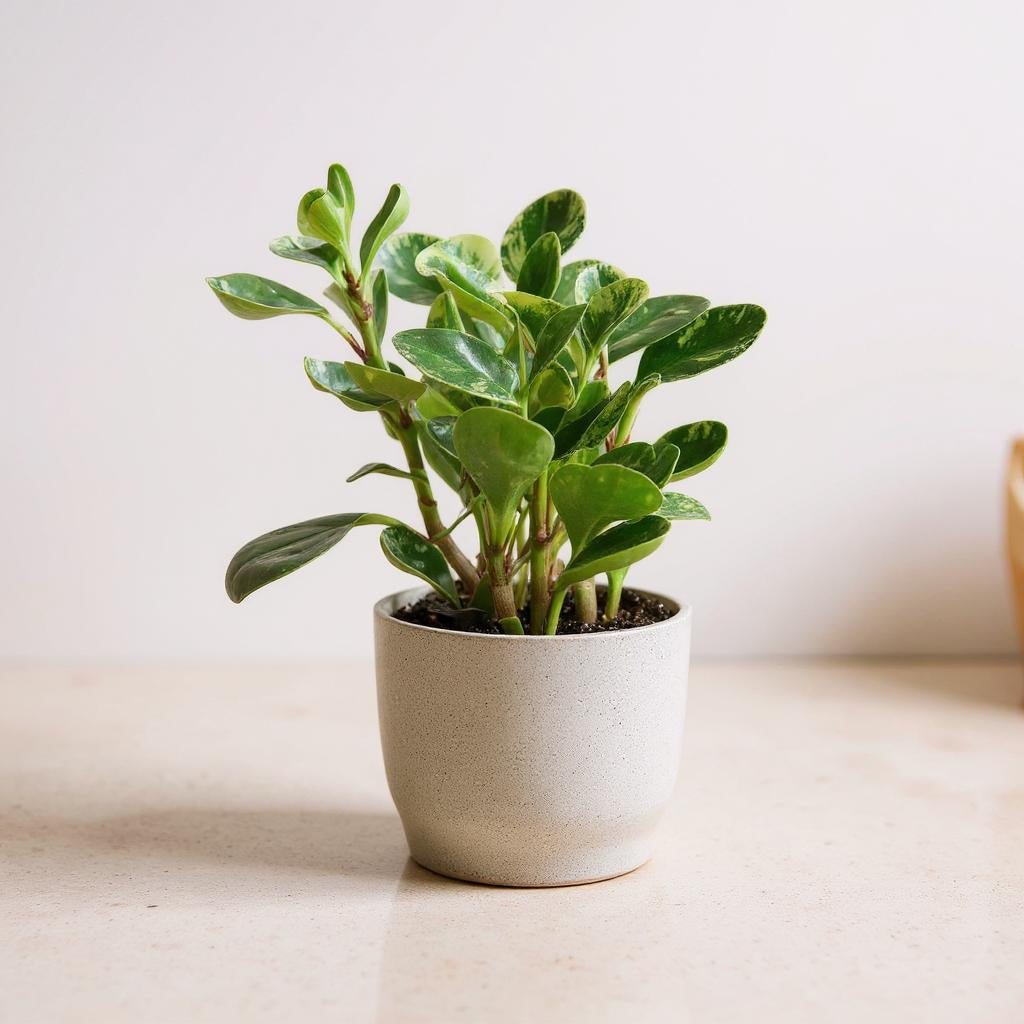
Featuring thick, glossy leaves with beautiful cream variegation, Baby Rubber Plant is ASPCA-verified completely safe for dogs. Its sturdy leaves withstand curious sniffing better than delicate foliage, and its compact upright form fits easily on elevated surfaces away from enthusiastic tails.
Peperomia Argyreia (Watermelon Peperomia) - Dog-Safe
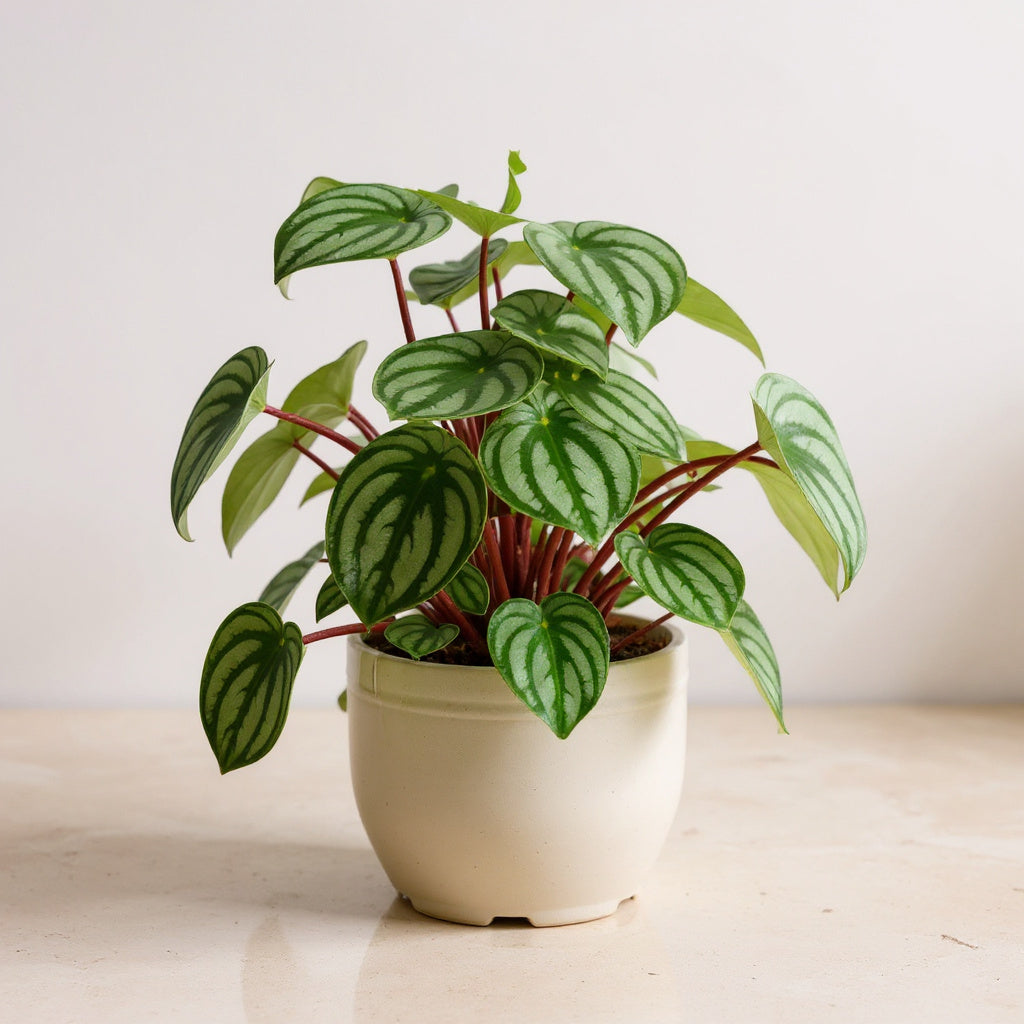
Stunning silver and green stripes resembling watermelon rind make this variety highly recognizable. This compact specimen (6-8 inches) works perfectly for shelves or tables where dogs can't easily reach. Completely ASPCA-verified safe if curious dogs do manage to investigate.
Peperomia Polybotrya (Raindrop Plant) - Dog-Safe
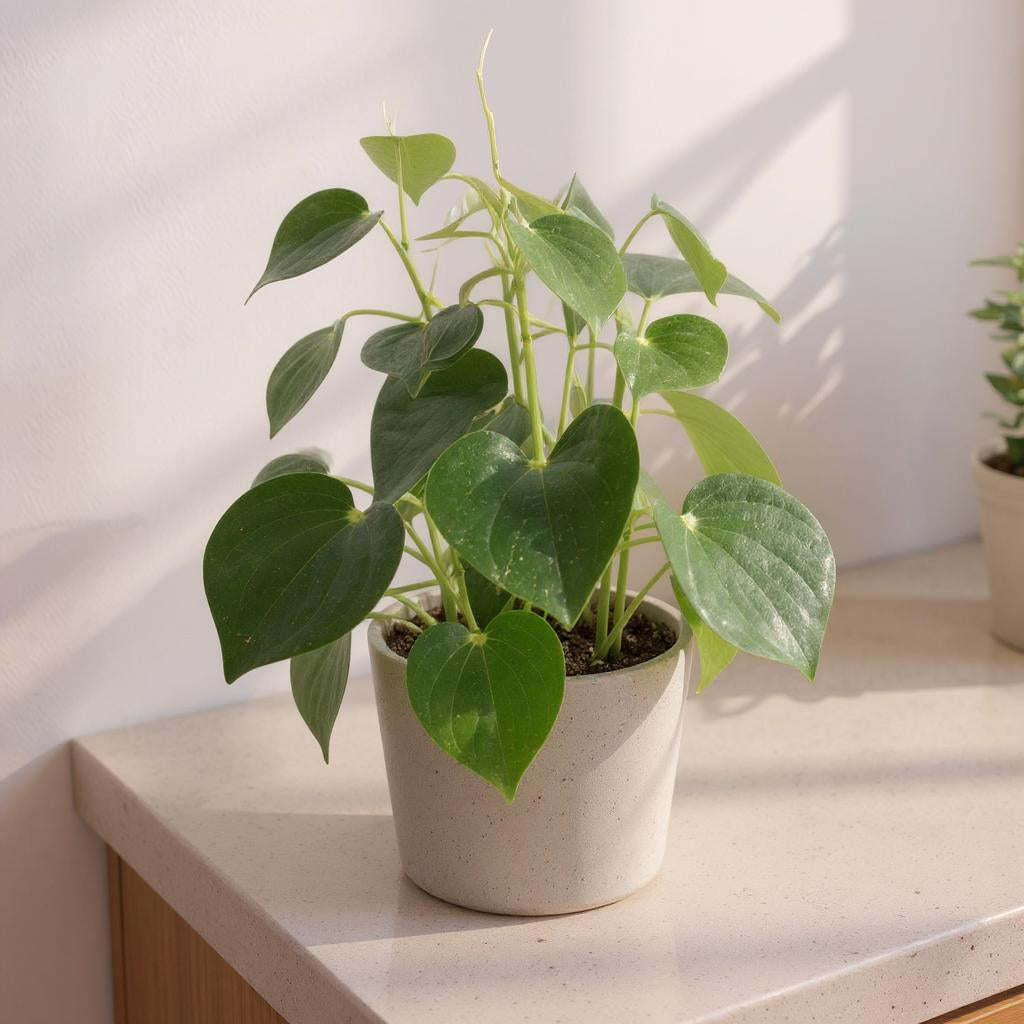
Large, teardrop-shaped leaves create bold statements while maintaining complete ASPCA-verified dog safety. Thick, glossy foliage stores water efficiently, requiring infrequent watering perfect for busy dog owners managing exercise schedules and care routines.
Peperomia Clusiifolia Ginny (Tricolor) - Dog-Safe
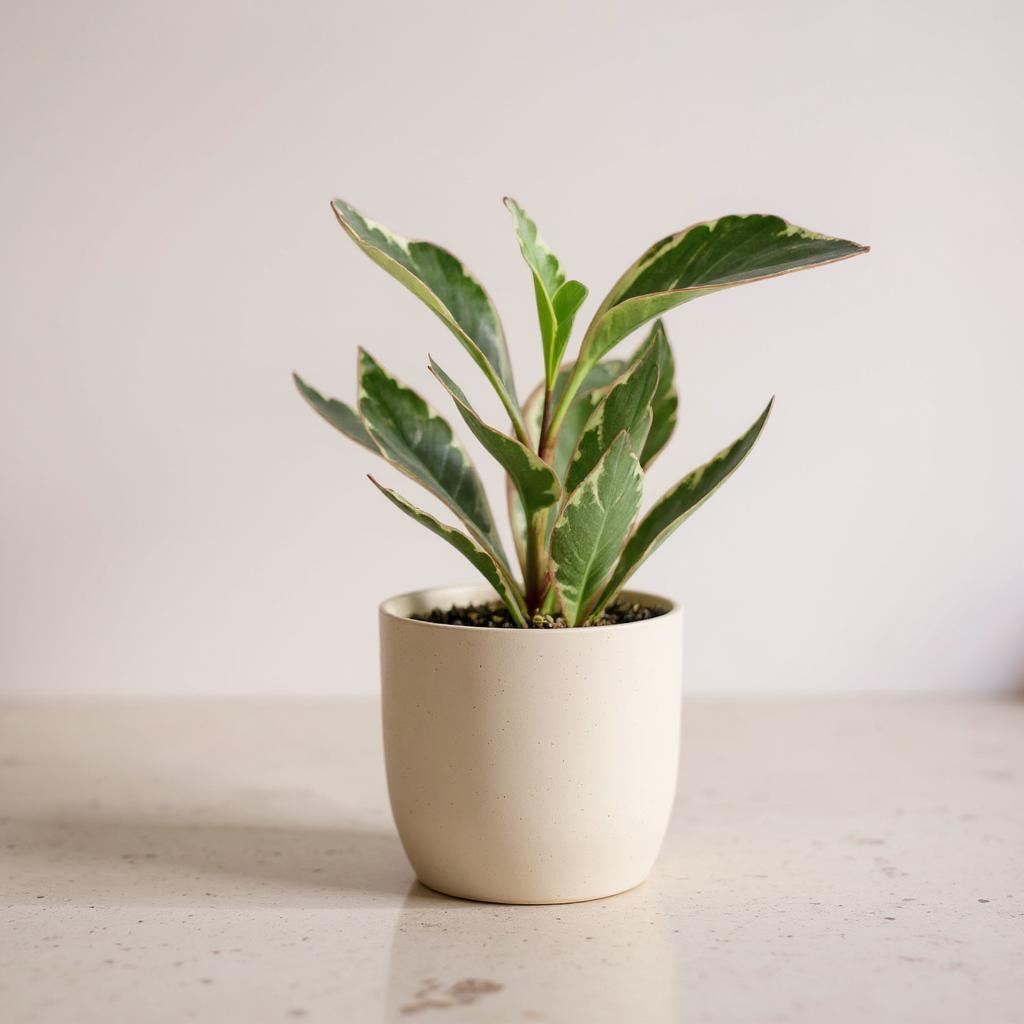
Pink, cream, and green variegation provides colorful interest in dog-safe plant collections. Compact upright growth and slow growth rate mean minimal maintenance while providing maximum visual appeal without any toxicity risks for dogs.
Peperomia Hope (Trailing) - Dog-Safe
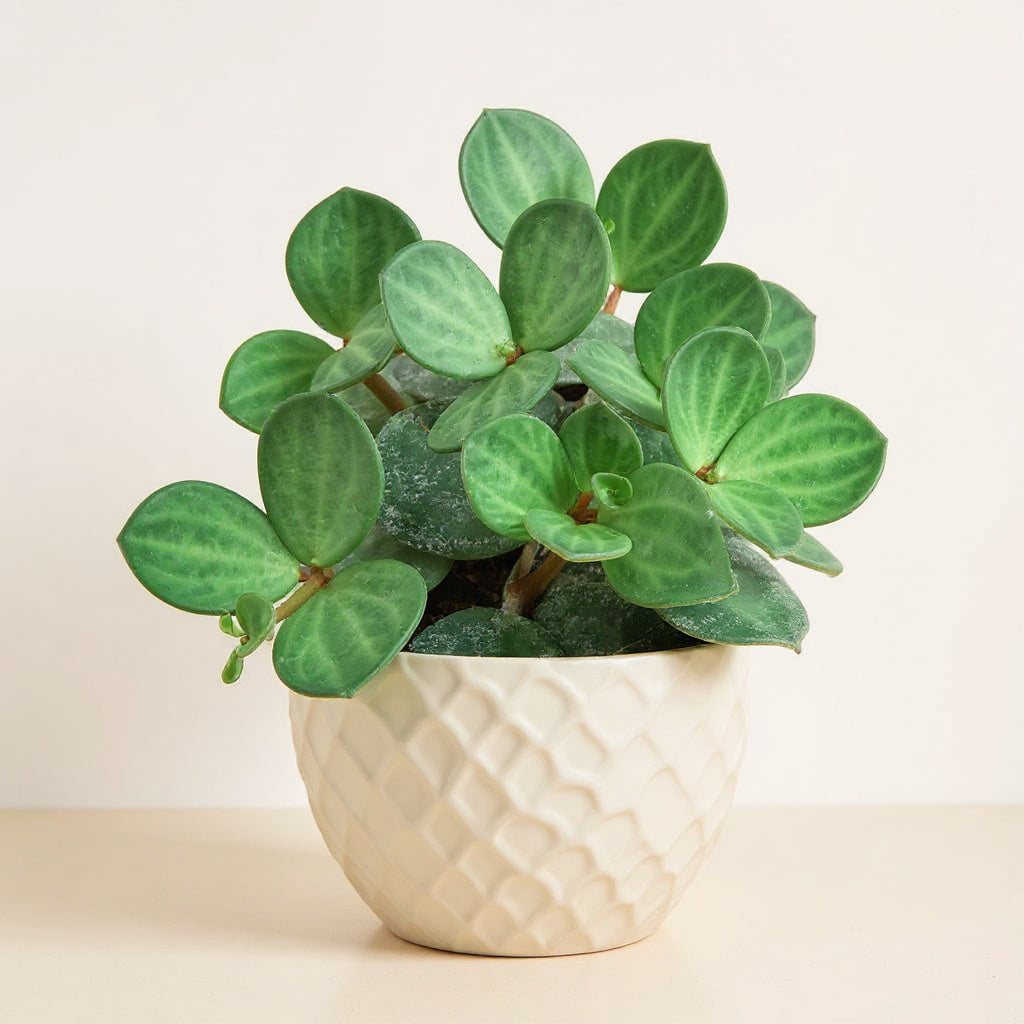
Small, round leaves cascade from hanging baskets or shelf edges, creating soft waterfalls of greenery. Hope's trailing nature makes it ideal for elevated placements beyond tail-wagging height, though its complete ASPCA-verified safety means accidental dog contact poses zero risk.
Peperomia Prostrata (String of Turtles) - Dog-Safe
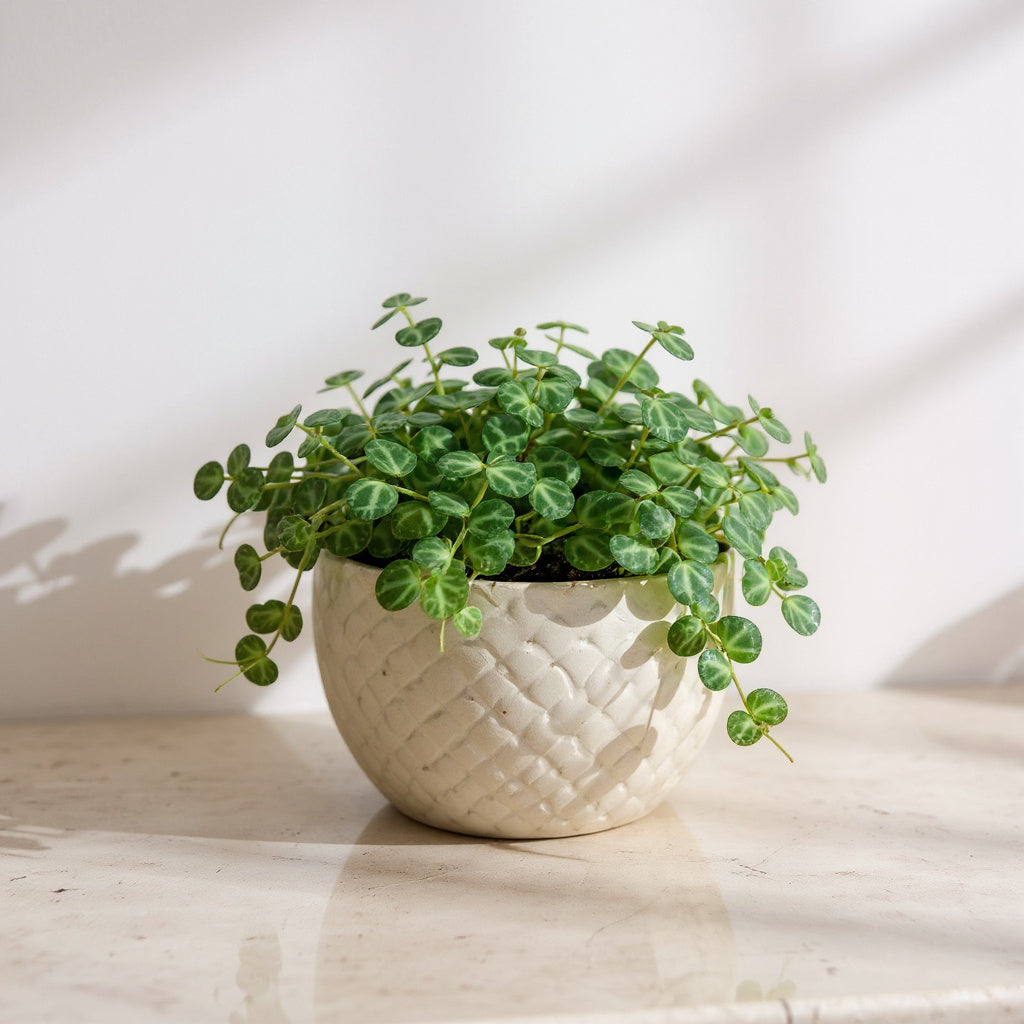
Tiny leaves patterned like miniature turtle shells trail from hanging baskets. Perfect for elevating plants away from curious noses while providing visual interest. Completely ASPCA-verified safe even if dogs manage to reach trailing stems.
Peperomia Caperata Varieties - Dog-Safe
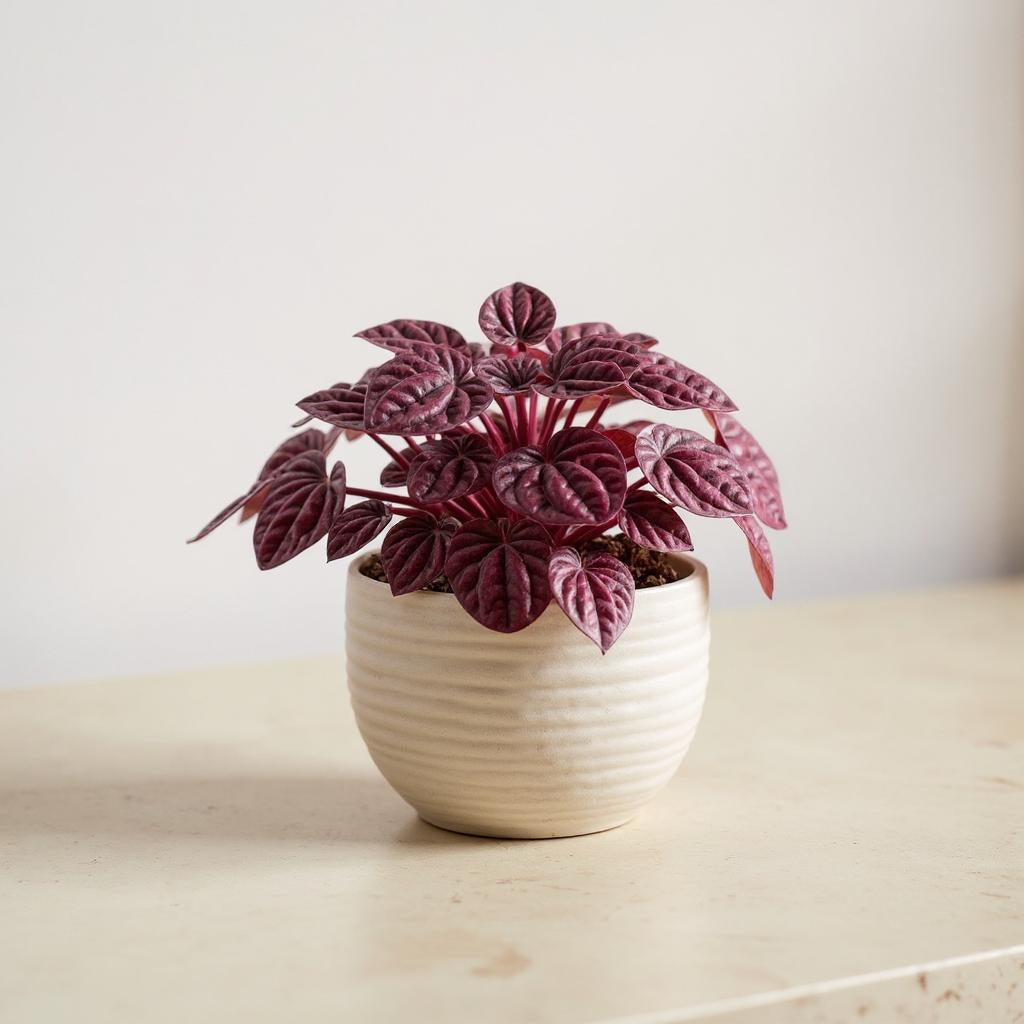
The rippled-leaf Caperata family includes stunning ASPCA-verified options like Ripple Red, Frost, and Rosso. Their textured leaves grow in tight rosettes, staying compact and manageable in dog-inclusive homes with zero toxicity concerns.
Peperomia Ferreyrae (Green Bean Plant) - Dog-Safe
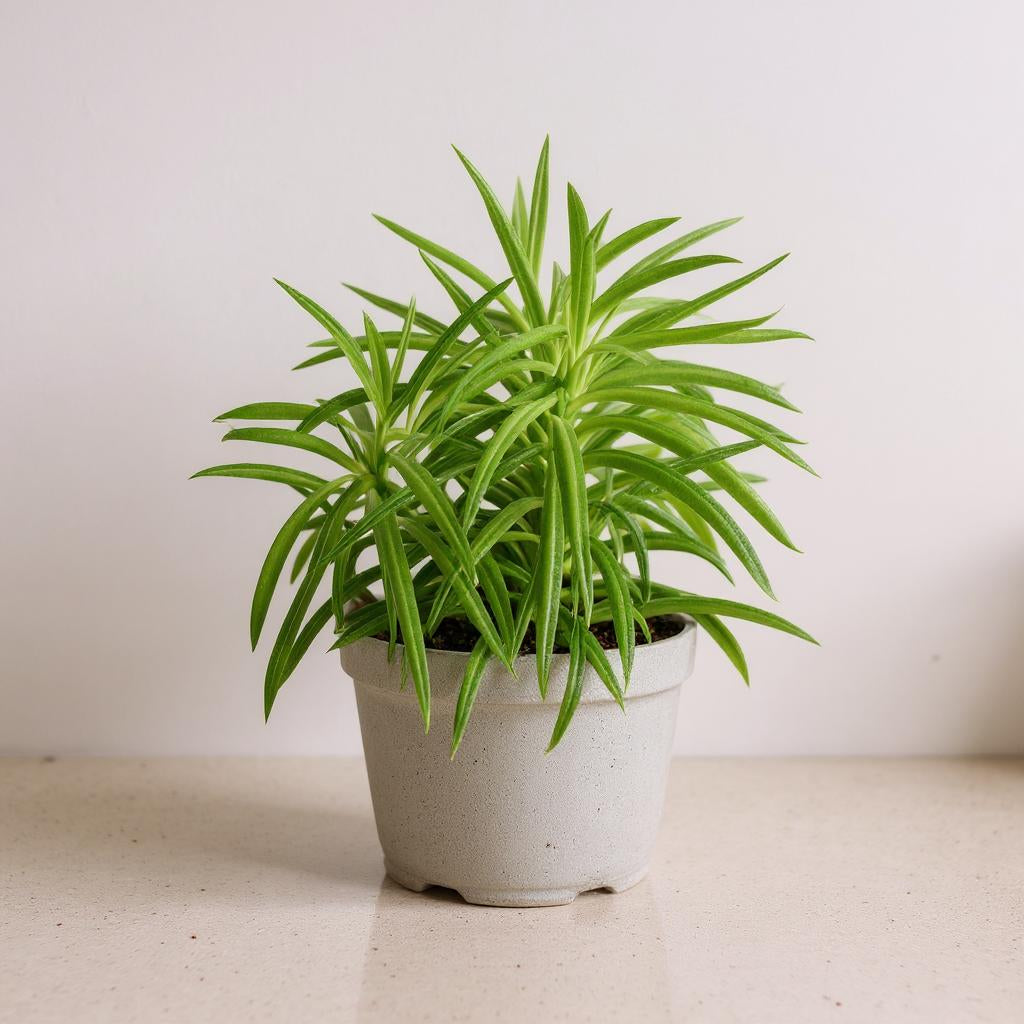
Unusual cylindrical leaves resembling tiny green beans add architectural interest while maintaining complete ASPCA-verified dog safety. This conversation-starting variety grows slowly and stays compact, perfect for modern spaces with curious canines.
Peperomia Metallica - Dog-Safe
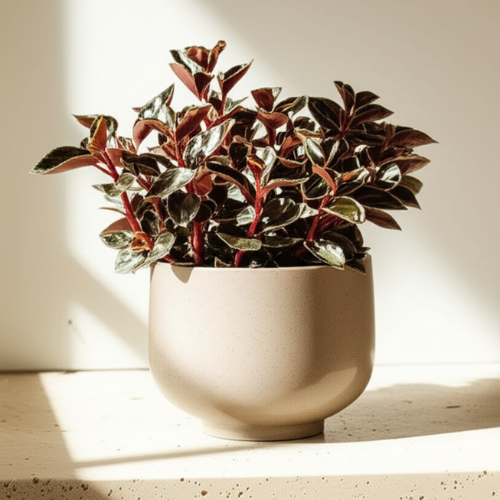
Shimmering metallic leaves in bronze and copper tones make Metallica a standout choice. This variety's distinctive coloring creates visual impact while maintaining absolute ASPCA-verified safety for canine companions.
For a complete selection of ASPCA-verified dog-safe Peperomia varieties, browse Root & Reach Botanicals' full Peperomia collection.
Quick Comparison: Dog-Safe Peperomia Varieties
| Peperomia Variety | ASPCA Status | Size | Care Level | Best For Dogs |
|---|---|---|---|---|
| Baby Rubber Plant | ✅ Non-Toxic | 8-12 inches | Very Easy | All dog sizes, beginners |
| Watermelon Peperomia | ✅ Non-Toxic | 6-8 inches | Easy | Small spaces, shelves |
| Raindrop Plant | ✅ Non-Toxic | 10-12 inches | Easy | Busy owners, desks |
| String of Turtles | ✅ Non-Toxic | Trailing | Moderate | Hanging baskets, jumpers |
| Hope Trailing | ✅ Non-Toxic | Trailing | Easy | Elevated placement |
| Ripple Varieties | ✅ Non-Toxic | 6-8 inches | Easy | Compact spaces, collections |
How Do I Care for Peperomia in a Dog-Friendly Home?
Successfully growing ASPCA-verified Peperomia in dog-inclusive homes requires understanding both plant care and canine behavior management.
Strategic Placement Considerations for Dog Households
Unlike cats who jump to elevated surfaces, dogs primarily access items at ground or low table height. This behavioral difference influences optimal Peperomia placement:
Elevated surfaces: Shelves, plant stands, or tables at least 3-4 feet high keep plants beyond most dogs' reach. Ensure surfaces are sturdy enough to withstand accidental bumps from enthusiastic tails or playful behavior.
Room selection: Position plants in areas where dogs spend less supervised time, such as home offices, guest rooms, or adult bedrooms. Avoid high-traffic zones where exuberant play might topple containers.
Size considerations: Larger dog breeds with longer tails might accidentally knock over plants positioned at tail-height. Small breeds rarely pose mechanical risks but might be more likely to investigate and chew accessible plants.
Container weight: Choose heavy ceramic or terracotta pots that won't tip if bumped. Wide, stable bases work better than tall, narrow containers prone to toppling from wagging tails.
Light Requirements for Peperomia
Most ASPCA-verified Peperomia varieties thrive in bright, indirect light, easily achieved near windows in dog-friendly homes. This lighting preference works well with strategic placement keeping plants visible but not readily accessible to curious canines.
Position plants on wide windowsills, elevated plant stands near windows, or shelves receiving filtered light. These locations provide optimal growing conditions while considering dog behavior patterns and safety.
Watering Practices for Dog Owners
Peperomia's semi-succulent nature means they store water in thick leaves, requiring infrequent watering compared to most houseplants. This characteristic benefits dog owners in multiple ways:
Reduced mess hazards: Less frequent watering means fewer opportunities for dogs to investigate wet soil or tip water-filled saucers. Always empty saucers immediately after watering to prevent standing water that might attract curious dogs.
Forgiving schedules: If dogs create care disruptions through playful behavior or requiring unexpected attention, Peperomia's drought tolerance prevents immediate damage. They bounce back from missed waterings better than most tropical species.
Bottom watering technique: This method keeps leaf surfaces and soil tops dry while thoroughly hydrating roots. Place pots in water-filled trays for 15-20 minutes, then remove and drain completely. This technique reduces spillage that might create slippery floors or attract dog attention.
Soil and Container Selection
Well-draining soil prevents root rot while creating less appealing conditions for dogs who might dig out of boredom or instinct.
Dog-deterrent container strategies:
- Choose heavy, wide-based pots harder for dogs to knock over or carry
- Avoid lightweight plastic containers that tip easily or could be picked up
- Select larger, heavier specimens less likely to be disturbed by curious noses
- Consider decorative rocks or river stones on soil surface to discourage digging
Temperature and Humidity
Peperomia prefer temperatures between 65-75°F, standard in most dog-friendly homes. They adapt to average household humidity (40-50%), eliminating need for misting that might create slippery surfaces or attract dog attention during grooming times.
How Can I Discourage Dogs from Chewing ASPCA-Verified Peperomia?
While Peperomia ASPCA-verified safety eliminates toxicity concerns, preventing plant consumption maintains both plant health and canine digestive comfort.
Physical Barriers for Dog-Proofing
Elevated placement: The most effective strategy for dog households involves keeping ASPCA-verified plants physically inaccessible. Use tall plant stands, wall-mounted shelves, or furniture tops beyond dog reach.
Room barriers: Baby gates or closed doors restrict access to plant-containing rooms during unsupervised periods. This allows plants in home offices or bedrooms while preventing investigation during busy periods.
Hanging baskets: Trailing Peperomia varieties like String of Turtles or Hope look stunning in hanging planters while staying completely beyond dog reach.
Behavioral Deterrents
Deterrent sprays: Pet-safe bitter sprays create unpleasant tastes without harming dogs or ASPCA-verified plants. Apply to lower leaves and pot edges, reapplying regularly especially after watering. These work particularly well for dogs who primarily investigate through taste.
Texture barriers: Dogs dislike walking on aluminum foil, plastic carpet runners (nub-side up), or textured mats placed around plant bases. These create physical deterrents without harmful chemicals.
Motion-activated devices: Air canisters or ultrasonic devices triggered by motion startle dogs away from plant areas. These teach avoidance without owner intervention, particularly useful for addressing behavior occurring during unsupervised periods.
Training and Enrichment
"Leave it" command: Training dogs to respond to "leave it" provides verbal control over plant investigation. Reward dogs generously when they voluntarily ignore plants, building desired behaviors through positive reinforcement.
Exercise and stimulation: Tired, mentally engaged dogs show dramatically reduced interest in destructive behaviors. Ensure adequate daily exercise appropriate to breed and age, supplemented with puzzle toys, training sessions, and interactive play.
Appropriate chewing alternatives: Provide designated chew toys, bully sticks, or long-lasting chews as acceptable outlets for chewing instincts. Rotate toys regularly maintaining novelty and interest.
Environmental enrichment: Food puzzle toys, sniff mats, and interactive feeders engage natural foraging instincts. Fulfilled dogs ignore ASPCA-verified plants in favor of more rewarding activities.
How Do ASPCA-Verified Peperomia Compare to Other Dog-Safe Houseplants?
Understanding how Peperomia compares to other non-toxic options helps dog owners select the best varieties for their specific situations.
Peperomia vs. Spider Plants (Both ASPCA-Verified Dog-Safe)
Both species are completely ASPCA-verified dog-safe and tolerate neglect well, making them ideal for busy dog owners.
Peperomia advantages:
- Greater variety in leaf shapes, colors, and patterns
- More compact growth suitable for elevated surfaces
- Less likely to trigger play behaviors with dangling leaves
- Thicker leaves discourage chewing
Spider Plant advantages:
- Easier propagation through natural plantlets
- More tolerant of very low light conditions
- Faster growth replacing any damaged foliage
Browse ASPCA-verified dog-safe spider plants at Root & Reach Botanicals.
Peperomia vs. Palms (Both ASPCA-Verified Dog-Safe)
Several palm varieties are ASPCA-verified dog-safe, offering different aesthetics and care requirements than Peperomia.
Peperomia advantages:
- Stays smaller and more manageable
- Requires less light and water
- Greater variety in appearance
- Better for limited spaces
Palm advantages:
- Creates tropical ambiance
- Grows larger for floor-standing displays suitable for larger spaces
- Excellent air purification capabilities
Discover ASPCA-verified dog-safe palm varieties including Parlor Palm and Areca Palm.
Peperomia vs. Boston Ferns (Both ASPCA-Verified Dog-Safe)
Boston Ferns provide lush, tropical appeal while maintaining complete ASPCA-verified dog safety.
Peperomia advantages:
- Much lower water requirements
- Tolerates dry air better
- Slower growth means less frequent pruning
- Sturdier leaves less easily damaged by dogs
Boston Fern advantages:
- Natural air humidification
- Dramatic cascading form
- Larger size for statement pieces
View ASPCA-verified dog-safe Boston Ferns.
Where Can I Buy ASPCA-Verified Peperomia That Are Guaranteed Safe for Dogs?
Finding truly ASPCA-verified dog-safe Peperomia requires shopping from retailers prioritizing rigorous safety verification over simple labeling.
Why Specialized Pet-Safe Retailers Matter
General plant retailers often mix toxic and non-toxic plants in their inventory, creating dangerous cross-contamination risks. A database error, warehouse mislabeling, or fulfillment mistake could result in toxic plants being shipped when you ordered dog-safe varieties.
Root & Reach Botanicals specializes exclusively in ASPCA-verified pet-safe houseplants, maintaining zero toxic plants in their facility. This singular focus eliminates mix-up risks entirely—every plant is verified safe, making any selection error still result in dog-safe specimens.
Multi-Step ASPCA Verification Standards
Root & Reach Botanicals implements multi-step verification for every Peperomia variety:
- Botanical identification using scientific nomenclature
- Cross-reference against ASPCA comprehensive toxicity database
- Third-party botanical consultant confirmation
- Regular database updates catching any classification changes
This rigorous protocol ensures absolute accuracy in safety claims, providing dog owners genuine peace of mind backed by ASPCA verification.
Complete ASPCA-Verified Peperomia Selection
Browse Root & Reach Botanicals' complete ASPCA-verified Peperomia collection featuring:
- Easy-care varieties for beginners with dogs
- Rare specialty cultivars for collectors
- Trailing options for hanging displays beyond dog reach
- Compact varieties for elevated surfaces
- Textured types adding visual interest
Every specimen ships with comprehensive health guarantees and absolute ASPCA-verified dog-safety verification.
For additional ASPCA-verified dog-safe plant options beyond Peperomia, explore Root & Reach Botanicals' complete pet-safe collection.
Creating a Beautiful, Dog-Safe Home with ASPCA-Verified Peperomia
Peperomia plants offer unmatched versatility for dog owners seeking beautiful, low-maintenance houseplants with guaranteed ASPCA verification. Their incredible diversity in leaf shapes, colors, and growth habits provides endless aesthetic possibilities while maintaining absolute confidence in canine safety.
Whether you're furnishing your first apartment, expanding an existing collection, or specifically seeking ASPCA-verified plants safe for curious canines, Peperomia delivers unbeatable combination of beauty, resilience, and peace of mind. Their forgiving care requirements accommodate busy schedules managing both plants and pets, while their compact growth suits spaces of all sizes.
Root & Reach Botanicals' exclusive focus on ASPCA-verified varieties ensures every Peperomia undergoes rigorous safety confirmation before reaching dog-friendly homes. Transform your living space into a vibrant sanctuary where dogs and plants coexist harmoniously, backed by absolute confidence in every plant's ASPCA-verified safety.
Ready to Bring ASPCA-Verified Peperomia Into Your Dog-Friendly Home?
Start your dog-safe Peperomia collection today with complete confidence. Every variety is ASPCA-verified and guaranteed non-toxic to dogs.
Shop ASPCA-Verified Peperomia